Where Stories Live in Every Thread
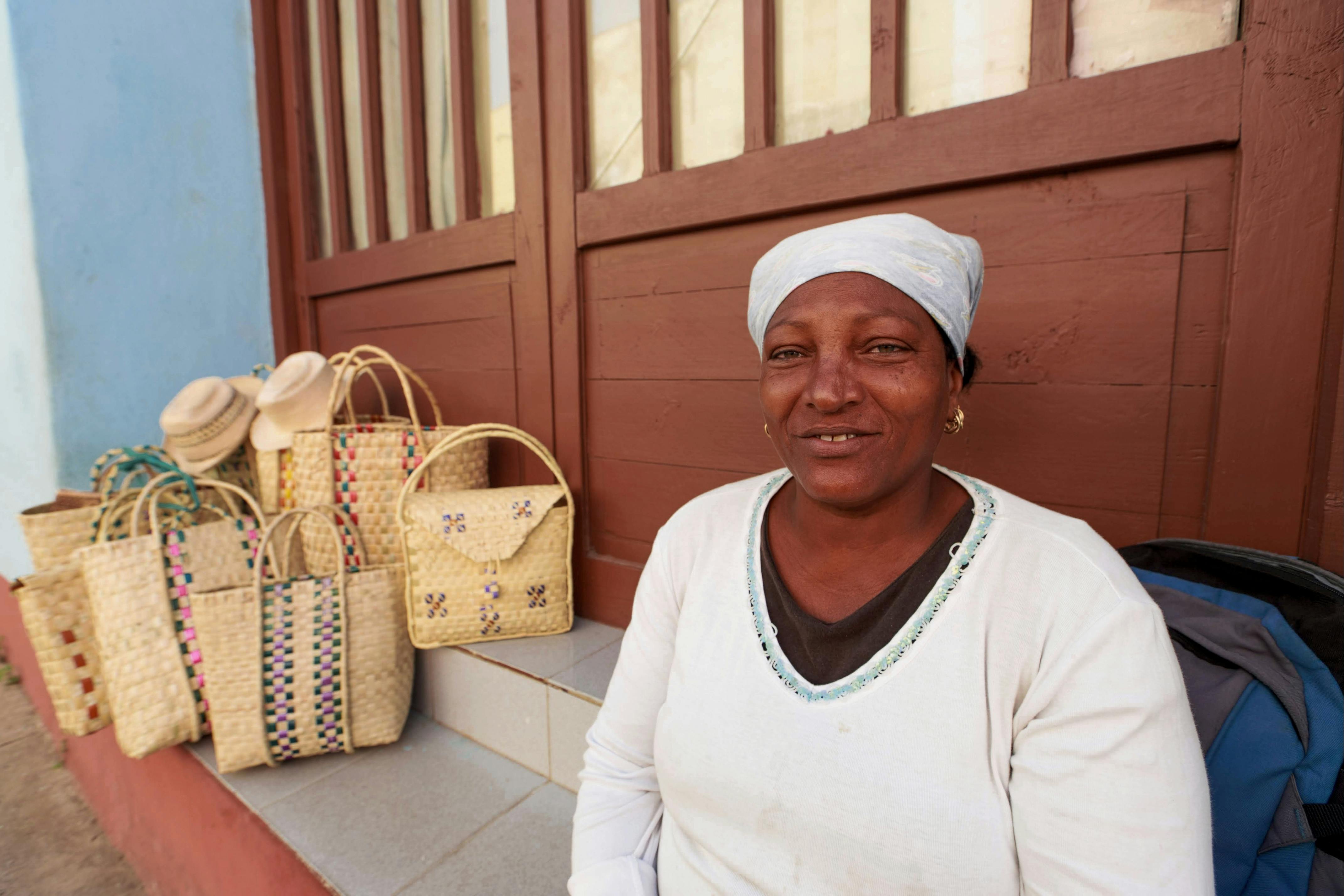
Each piece carries generations of wisdom, crafted by hands that learned from their grandmothers
Each piece carries generations of wisdom, crafted by hands that learned from their grandmothers
There's something profoundly different about holding an object made by someone who learned their craft not from a manual, but from watching their mother's hands move across woven reeds in the early morning light.
In the bustling markets scattered across South Africa's landscape, you won't find mass-produced uniformity. Instead, you'll discover artisans whose techniques stretch back centuries, adapted and refined through countless family lines.

Watch an experienced basket weaver and you'll notice their hands move without hesitation, following patterns embedded so deeply they've become muscle memory. This isn't mere production; it's cultural preservation wrapped in commercial exchange.
Many retailers claim handmade origins while selling machine-produced items with artificial imperfections added to seem authentic.
Import chains strip away the maker's identity, leaving you with an object but no connection to its cultural context or creator's story.
When every piece looks identical despite handmade claims, you're holding a contradiction that undermines the entire purpose of artisan work.
Real artisan markets operate on a fundamentally different model. The maker sits beside their work, ready to explain why this basket uses a particular weave pattern passed down from Zulu traditions, or how the wire sculptor learned their technique while working in township workshops during the 1980s.
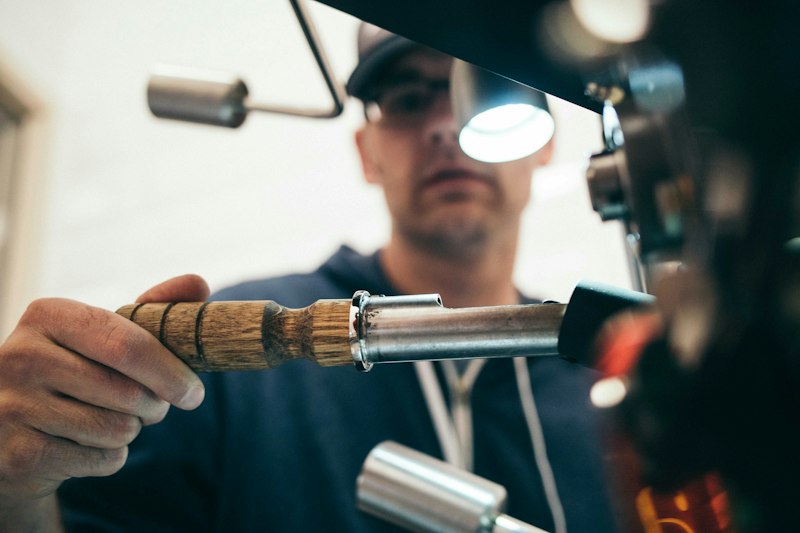
This direct connection transforms a simple transaction into cultural exchange. You're not just acquiring an object; you're participating in an economy that keeps traditional skills alive and supports communities that might otherwise abandon these practices for more conventional employment.

Most pieces originate from small workshops where multiple generations work side by side, with elders teaching techniques to younger family members who might otherwise have never learned these skills.

Ethical artisans maintain relationships with local suppliers, using sustainably harvested materials that support environmental stewardship rather than exploitation.

Unlike factories optimizing for output volume, workshop artisans measure success by the integrity of each piece, often spending days on a single complex sculpture.
"I visited three different markets before finding this connection to authentic makers. The basket I purchased sits in my living room, and every guest asks about its origin. Being able to share the weaver's story makes it infinitely more valuable than any department store decoration could ever be."
— Margaret Chen, Interior Designer from Cape Town
"My grandfather was a wood carver in KwaZulu-Natal, but I never learned from him before he passed. Finding artisans who work in similar traditions gave me a tangible connection to that lost heritage. The sculpture I commissioned carries forward techniques I thought had disappeared from our family."
— Sipho Ndlovu, Collector from Johannesburg
Your purchase directly supports the continuation of techniques that might otherwise vanish, funding the teaching of younger generations who carry these skills forward.
No two handcrafted pieces emerge identical. The subtle variations in weave patterns, bead spacing, or carving marks become signatures of human creation rather than defects.
Money flows directly to makers and their communities, bypassing import middlemen and creating sustainable livelihoods that support entire families.
Each piece comes with information about its creator, technique origin, and cultural significance, transforming a simple object into a documented artifact.
We work directly with artisan workshops across South Africa, curating collections that represent the full spectrum of traditional techniques while ensuring fair compensation for makers.
Explore Our Collections
Zulu and Xhosa weaving traditions preserved through intricate grass and reed work. Each basket represents weeks of careful construction using techniques unchanged for generations.

Color symbolism and pattern language embedded in every piece. Beadwork serves as both adornment and communication, with specific combinations carrying cultural meaning.
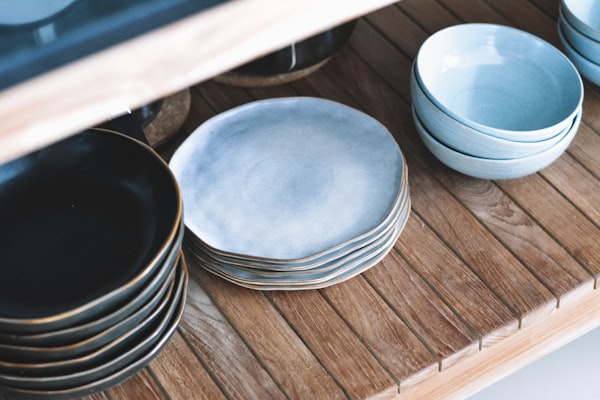
From functional serving bowls to ceremonial masks, our wood carvers work with indigenous timber, honoring both material and subject through their craft.
Clay sourced from specific regions carries distinct properties that artisans have learned to work with over lifetimes, creating vessels that marry function with artistic expression.

Township ingenuity transformed discarded materials into an art form. Wire workers create remarkably detailed sculptures and functional objects using techniques developed through creative necessity.

Work directly with master artisans to create something specifically for your vision, combining their traditional expertise with your personal requirements and aesthetic preferences.
Share your details below and we'll connect you with the artisans whose work aligns with your interests. All inquiries receive personal responses within one business day.
Every purchase represents more than aesthetic value. It funds the continuation of cultural practices, supports sustainable livelihoods, and maintains connections between contemporary life and ancestral knowledge.
Our curated collections connect you with authentic artisan work. Results and availability may vary based on seasonal production and artisan capacity. These pieces are not intended as substitutes for industrial goods but rather as unique cultural artifacts. We recommend consulting with our specialists to understand the care requirements and cultural context of each piece before acquisition.