How We Work
Our operation centers on direct relationships with artisan workshops scattered across South Africa's diverse regions. Rather than functioning as a conventional retailer, we serve as cultural intermediaries who understand both the traditional context of these crafts and the contemporary market that values them.
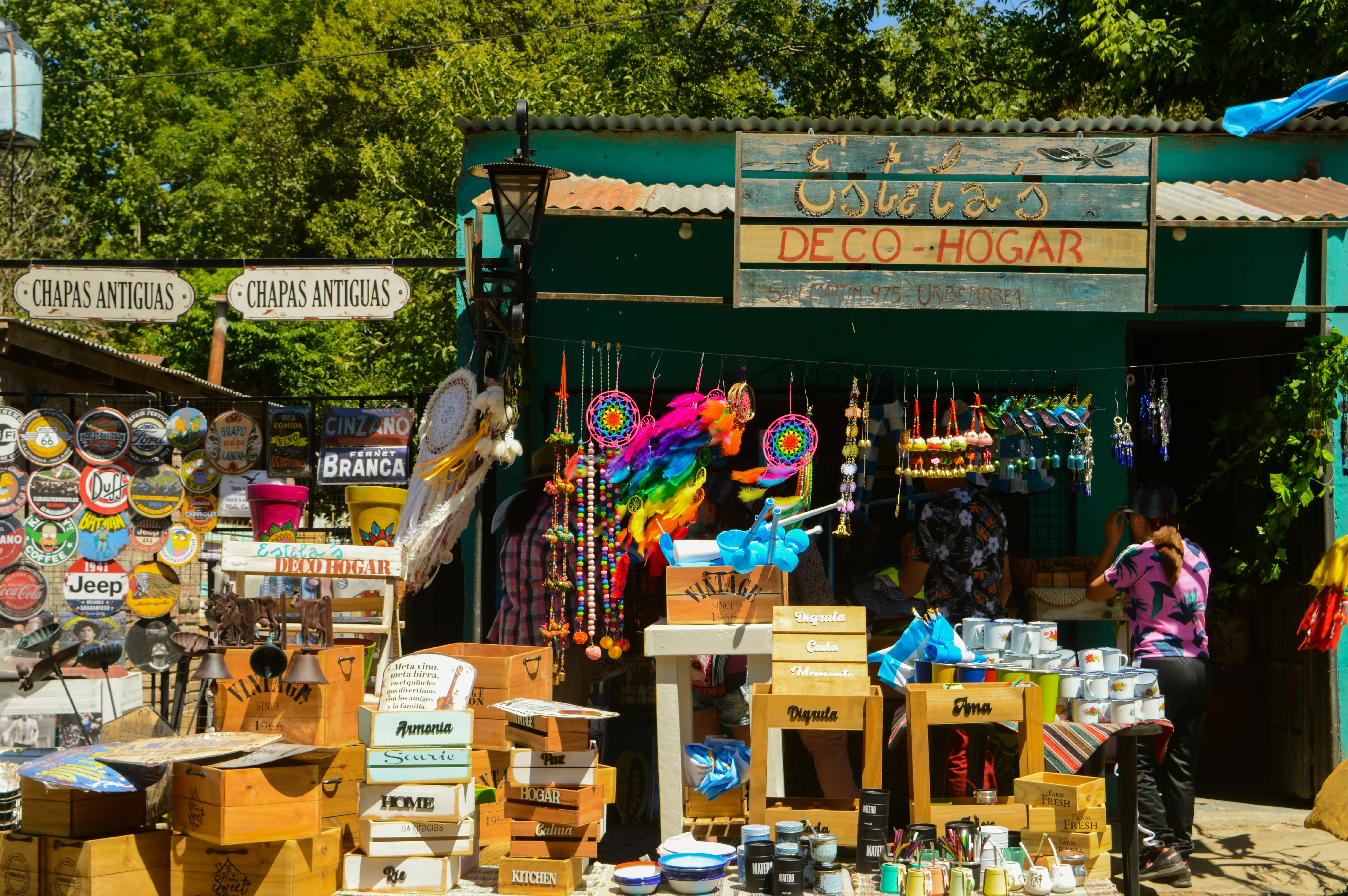
We visit workshops regularly, documenting the makers behind each piece and understanding the cultural significance embedded in their techniques. This isn't simply quality control; it's building relationships that allow us to share authentic stories with collectors who want more than anonymous objects.
Our Revenue Model
We operate through a commission-based structure that maintains artisan autonomy while ensuring sustainable business operations. When you acquire a piece through our curation service, the majority of your payment goes directly to the workshop that created it. Our commission covers documentation, authentication, cultural context research, and the infrastructure that connects makers with collectors.
This model ensures artisans set their own pricing based on time investment and material costs, rather than having external parties dictate value. We provide market feedback and handle logistics, but the economic power remains with the makers.
Why These Traditions Matter
Many traditional crafts face an existential challenge. Younger generations increasingly pursue conventional employment rather than learning techniques that require years of practice before generating income. Without intervention, certain specialized skills will simply disappear when current master artisans retire or pass away.

By creating viable markets for traditional work, we help make artisan careers economically feasible. A young person who sees their mentor earning sustainable income from traditional skills becomes more likely to invest the years needed to reach mastery themselves.
What Makes Our Approach Different
Unlike import operations that strip away maker identity, or galleries that emphasize pure aesthetics while ignoring cultural context, we maintain the full story behind each piece. You'll know who made your basket, where they learned their technique, what the pattern symbolizes, and how your purchase supports their community.
We also refuse to pressure artisans toward uniformity. If a weaver wants to experiment with non-traditional color combinations while maintaining ancestral techniques, we support that creative evolution. Cultural preservation doesn't mean forcing people into static reproduction of historical forms; it means keeping core knowledge alive while allowing contemporary innovation.
Long-Term Vision
Our goal extends beyond commercial transactions. We're documenting techniques, recording oral histories from elder artisans, and creating archives that future generations can access even if direct teaching relationships break down.
Some of this documentation becomes publicly available through our educational initiatives. We believe sharing knowledge strengthens these traditions rather than diminishing them, creating broader appreciation that supports the entire ecosystem of traditional crafts.